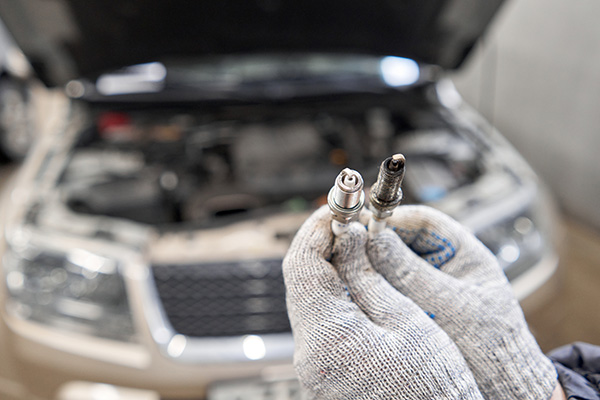
Spark plugs are small parts, but they have a big job every time the engine starts. They ignite the air-fuel mixture in the cylinders, keeping the engine firing correctly. When they are fresh, most drivers do not think about them.
As they wear, the changes can be subtle at first. The engine may crank longer, idle a little rougher, use more fuel, or feel weaker when accelerating. Knowing how long spark plugs last helps you replace them before those symptoms turn into misfires and extra strain on other parts.
How Long Spark Plugs Usually Last
Spark plug lifespan depends on the plug type and the engine design. Older copper spark plugs can wear out much sooner, sometimes around 30,000 miles. Platinum and iridium plugs tend to last longer, and many modern vehicles can go 60,000 to 100,000 miles before replacement is due.
That range is not a promise for every vehicle. The owner’s manual is the best place to start because the manufacturer sets the interval based on the engine, plug type, and ignition system. If the service history is missing, it is worth checking the plugs instead of assuming they are still fine.
Why Spark Plugs Wear Down
Every spark plug fires thousands of times per minute while the engine is running. Over time, the electrode wears, the gap can grow, and the spark becomes less consistent. Heat, combustion pressure, fuel quality, and engine deposits all contribute to that wear.
A worn plug makes the ignition coil work harder to fire across the gap. That can lead to misfires, rough running, and extra stress on the ignition system. Waiting too long can turn a simple spark plug replacement into a repair that also involves coils, wires on some vehicles, or emissions-related parts.
Driving Habits Can Shorten Spark Plug Life
Short trips, stop-and-go traffic, heavy idling, towing, and frequent hard acceleration can all affect spark plug life. Engines that do not fully warm up on quick drives can collect more deposits, especially if the vehicle is used mostly for errands. Harder driving creates more heat and load, which can wear plugs faster.
Fuel quality can play a role, too. Poor combustion, dirty injectors, carbon buildup, or using the wrong fuel grade can leave deposits on the plugs. Once that happens, the spark can weaken or become less predictable, even if the plugs have not reached the mileage listed in the manual.
Engine Problems Can Damage Plugs Early
Spark plugs can tell a technician quite a bit about what is happening inside an engine. Oil on the plug, heavy carbon buildup, fuel fouling, or unusual discoloration can point to problems beyond normal wear. A plug that looks bad too early is a clue, not just a part to replace.
Oil leaks into the combustion chamber, rich fuel mixture, coolant intrusion, weak ignition coils, or sensor issues can shorten plug life. If new plugs wear out quickly, the real cause needs to be inspected. Replacing plugs again, without finding the reason, only resets the symptom for a while.
Signs Your Spark Plugs Are Wearing Out
Spark plug wear does not always trigger a warning light right away. The engine computer can compensate for small changes until the problem gets worse. Drivers might notice the vehicle feels less responsive before any dashboard warning appears.
Common signs include harder starts, rough idle, hesitation, lower fuel economy, misfires, or shaking under acceleration. A check engine light can also appear if the misfire becomes strong enough for the computer to detect. If the light flashes, stop driving as soon as it is safe because an active misfire can damage the catalytic converter.
Why Replacing Spark Plugs On Time Helps
Fresh spark plugs help the engine burn fuel more cleanly and consistently. That supports better starting, steadier idle, stronger acceleration, and improved fuel economy. It also reduces the workload on ignition coils and helps prevent unburned fuel from reaching the exhaust.
Regular maintenance is especially important here because spark plugs wear slowly enough that many drivers adapt to the change without noticing. By the time the engine feels clearly rough, the plugs may already be overdue. Staying on schedule keeps the repair simple and helps protect the ignition and emissions systems.
What A Spark Plug Service Should Include
Proper spark plug service is not just about removing the old plugs and installing new ones. The correct plug type, gap, torque, and service procedure all count. Some engines also require careful removal, as plugs can seize or break if left in place too long.
The technician should also look at the plug condition and compare wear across the cylinders. If one plug looks very different from the others, that can point toward a coil, injector, compression, or oil-control issue. That extra attention helps prevent a repeat problem after the new plugs are installed.
Get Spark Plug Replacement In Huntington Beach, CA, With H B Auto & AC
If your engine is harder to start, running rough, using more fuel, or overdue for spark plug service, H B Auto & AC in Huntington Beach, CA, can check the ignition system and replace the plugs with the correct parts for your vehicle.
Bring it in before worn spark plugs start causing misfires, weak performance, or damage to other parts.