Posted on 8/28/2026

A car is easier to sell when a buyer can see that it has been cared for consistently. Mileage and age still affect value, but condition, service history, cleanliness, and the absence of unresolved warning signs strongly influence how confident a buyer feels. Preparing for resale does not begin the week you list the vehicle. Small decisions made throughout ownership can protect its condition, prevent avoidable damage, and provide clear evidence that important service was completed. Build A Clear Maintenance History 1. Keep every service record. Save invoices for oil changes, fluid services, tire replacements, brake work, battery replacement, and major repairs. Records show when the work was completed, the mileage at the time, and which parts or fluids were used. A complete history gives buyers more confidence than a verbal statement that the car was maintained. It also prevents confusion about whether timing belt service, transmission fluid replacement, coolant ser ... read more
Posted on 7/31/2026
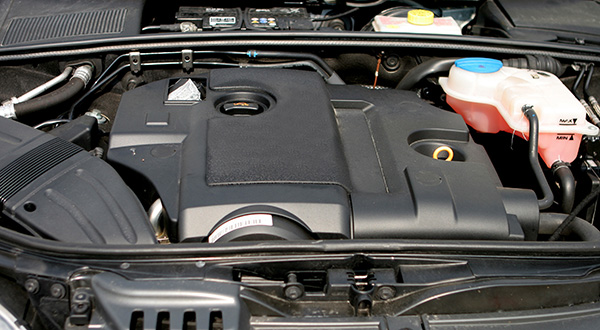
A car can feel tired before it gives you a warning light. You press the gas pedal, and it moves, but not with the same snap. Merging takes a little longer. Hills that used to feel easy now make the engine work harder. Nothing is flashing on the dashboard, so it is tempting to think maybe you are just noticing things too closely. You probably are not. Many problems that make a car feel slower build gradually and do not always trigger a light right away. The computer may not yet see a fault, or the issue may be mechanical enough to affect feel before it sets a code. That is why a slower-feeling car deserves attention, even when the dashboard is quiet. A Dirty Air Filter Can Hold The Engine Back An engine needs air just as much as it needs fuel. When the air filter is packed with dust, leaves, or road debris, airflow becomes restricted. The engine can still run, but it may feel less eager when you accelerate. This is more noticeable when the engine is working harder ... read more
Posted on 6/26/2026
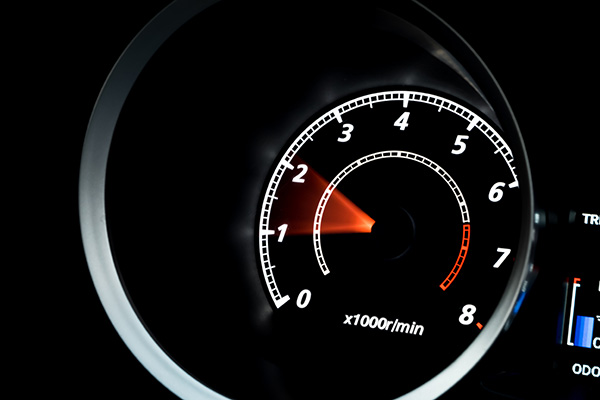
An engine should settle into a steady idle once it is running. The RPM needle might move slightly when the A/C turns on, the steering is turned, or electrical demand changes, but it should not keep rising and falling in a way you can feel. When the idle starts hunting up and down, the engine is trying to correct for something. That kind of symptom can be annoying at first, but more concerning if the car starts shaking, stalling, or hesitating when you come to a stop. RPM fluctuations at idle can come from the air, fuel, ignition, sensors, or even the charging system, so the cause needs to be checked rather than assumed. Air Leaks Can Make Idle Unstable The engine needs a measured amount of air to idle correctly. If extra air sneaks in through a cracked hose, loose intake boot, leaking gasket, or vacuum leak, the computer has to keep adjusting fuel delivery to compensate. That can make the RPM rise and fall at a stop. Vacuum leaks can be tricky because the car may d ... read more
Posted on 5/29/2026
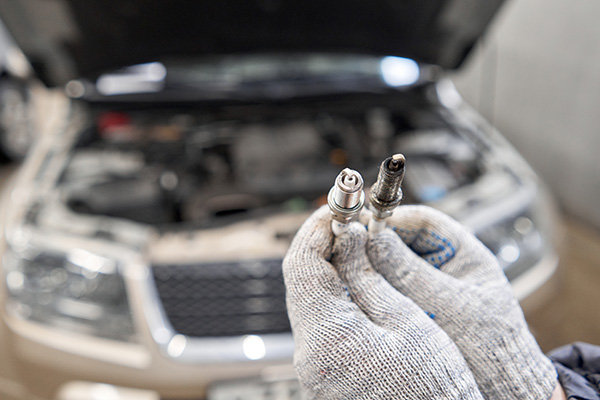
Spark plugs are small parts, but they have a big job every time the engine starts. They ignite the air-fuel mixture in the cylinders, keeping the engine firing correctly. When they are fresh, most drivers do not think about them. As they wear, the changes can be subtle at first. The engine may crank longer, idle a little rougher, use more fuel, or feel weaker when accelerating. Knowing how long spark plugs last helps you replace them before those symptoms turn into misfires and extra strain on other parts. How Long Spark Plugs Usually Last Spark plug lifespan depends on the plug type and the engine design. Older copper spark plugs can wear out much sooner, sometimes around 30,000 miles. Platinum and iridium plugs tend to last longer, and many modern vehicles can go 60,000 to 100,000 miles before replacement is due. That range is not a promise for every vehicle. The owner’s manual is the best place to start because the manufacturer sets the interval based on t ... read more
Posted on 4/30/2026
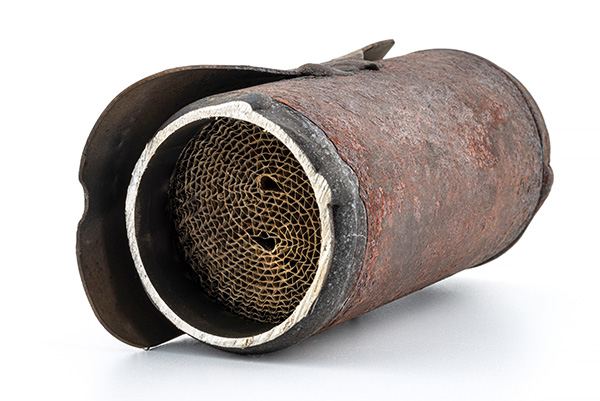
An engine misfire might be a small annoyance at first. The car shakes a bit, the acceleration feels uneven, or the engine sounds a bit off. Since the vehicle still runs, many drivers continue using it without much concern. That decision can get expensive. A misfire does not stay isolated to one cylinder for long. It can affect other systems, especially the catalytic converter. What Happens During An Engine Misfire A misfire means one or more cylinders are not burning fuel the way they should. That can happen due to worn spark plugs, failing ignition coils, fuel delivery issues, or sensor problems. When combustion is incomplete, some fuel fails to burn in the engine. Instead, it moves into the exhaust system. That is where the real risk begins. How Unburned Fuel Affects The Catalytic Converter The catalytic converter is designed to handle exhaus ... read more
Posted on 3/27/2026
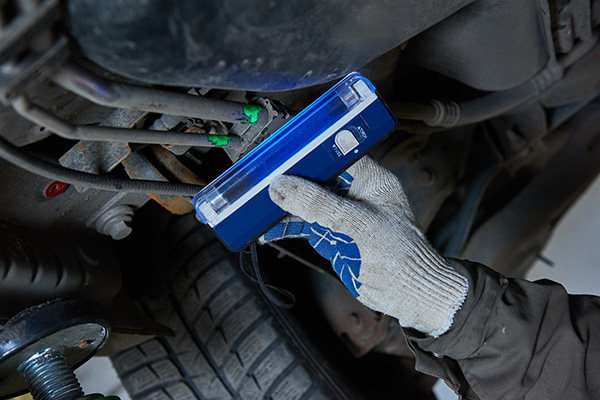
A/C leaks are frustrating because the cooling usually fades slowly, not all at once. One week, it feels a little weaker in traffic, then you start turning the fan higher, then a hot day finally makes it obvious. By that point, it is easy to assume the system just needs refrigerant and nothing else. Most of the time, there is a reason the charge dropped, and it is worth finding it. How Refrigerant Leaks Usually Start Refrigerant does not get used up like fuel. If the system is low, it escaped through a seal, a connection, or a damaged component. Many leaks start as a light seep that only shows up under pressure, which is why they can be hard to spot from a quick look. Heat cycling plays a big role. The A/C system expands and contracts constantly, and rubber seals age and harden over time. A small seep may stay quiet for months, then become noticeable as the weather heats up and the system runs more often. Most Common Leak Points In An A/C System S ... read more
Posted on 2/27/2026
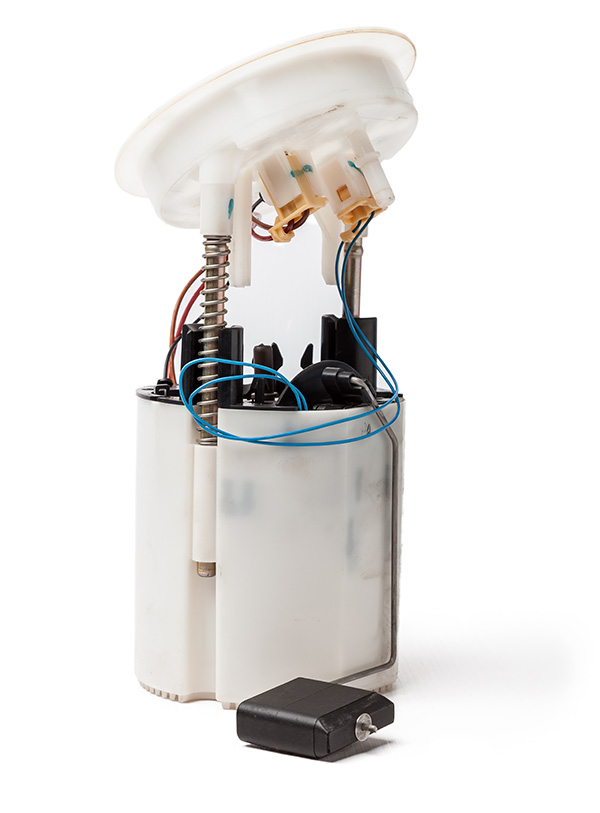
A fuel pump usually fails in a way that feels confusing. The car might start fine one day, then crank a little longer the next. Or it runs normally at a steady speed, but hesitates when you ask for more power. Because the symptoms can come and go, it is easy to blame bad gas or a random electrical glitch. Fuel pump problems also get mixed up with other issues, like ignition or sensor faults, so the fastest way to save money is spotting the pattern early. If you catch it while the pump is still weak instead of dead, you can often avoid a tow and a much longer repair day. What A Fuel Pump Does In Your Car The fuel pump’s job is to deliver fuel at the right pressure and volume, not just to move fuel forward. Modern engines depend on stable pressure so the injectors can meter fuel accurately during starts, idle, and acceleration. When pressure drops, the engine can run lean, stumble, or struggle to start, even if the pump is technically still running. That is wh ... read more
Posted on 1/30/2026
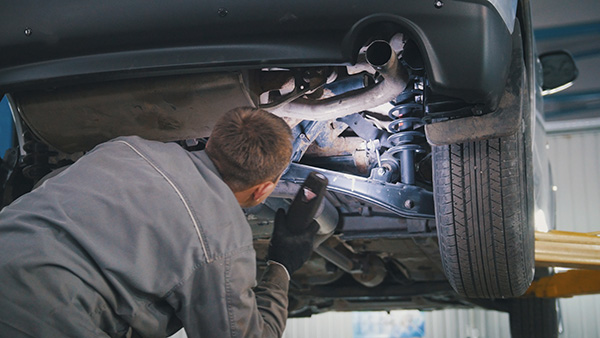
Tire wear is one of those things that sneaks up on you. One day, the tires look fine, and then suddenly the edges are bald, or the tread is choppy and noisy. A lot of drivers assume it’s just cheap tires or bad luck, but in many cases, the suspension is the real reason the tires didn’t stand a chance. When parts get loose or worn, the wheel doesn’t stay planted and aligned the way it should, and the tire pays the price first. Why Suspension Wear Shows Up On Tires Before You Feel It You can have suspension play without obvious clunks or dramatic handling issues. At first, the car still drives, and you might only notice a little drift, a slight vibration, or extra road noise. Meanwhile, the tires are getting scrubbed, cupped, or feathered every time you drive. Road conditions matter too. Rough pavement, potholes, and driveway dips put extra stress on joints and bushings. Once a small amount of play starts, it tends to grow, and tire wear often becom ... read more