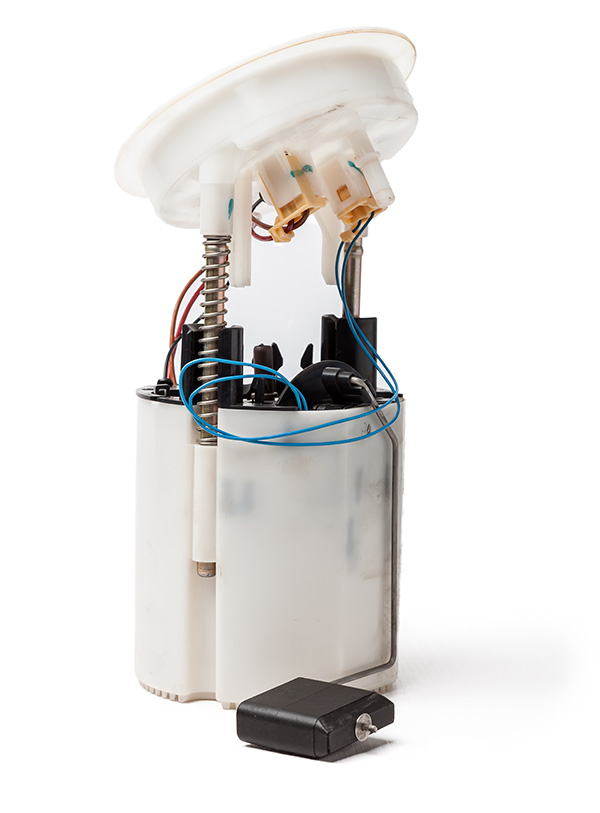
A fuel pump usually fails in a way that feels confusing. The car might start fine one day, then crank a little longer the next. Or it runs normally at a steady speed, but hesitates when you ask for more power. Because the symptoms can come and go, it is easy to blame bad gas or a random electrical glitch.
Fuel pump problems also get mixed up with other issues, like ignition or sensor faults, so the fastest way to save money is spotting the pattern early.
If you catch it while the pump is still weak instead of dead, you can often avoid a tow and a much longer repair day.
What A Fuel Pump Does In Your Car
The fuel pump’s job is to deliver fuel at the right pressure and volume, not just to move fuel forward. Modern engines depend on stable pressure so the injectors can meter fuel accurately during starts, idle, and acceleration.
When pressure drops, the engine can run lean, stumble, or struggle to start, even if the pump is technically still running. That is why weak pumps can feel like a drivability mystery before they become a no-start.
Warning Signs Of A Weak Fuel Pump
A failing pump often shows up when demand is highest, like hard acceleration, uphill driving, or hot restarts. You might notice a brief hesitation, a loss of power, or an engine that feels fine cruising but falls flat when you step into the throttle.
Here are common clues drivers report before a pump quits:
- Longer crank time before the engine starts
- Hesitation or stumbling when accelerating
- Power loss at higher speeds
- Surging that comes and goes on the same drive
- A sudden no-start that later restarts after sitting
If these symptoms are occurring more often, treat them as a developing problem rather than waiting for the day they will not restart.
What Typically Causes Fuel Pumps To Fail
Heat is a major factor. Fuel pumps are cooled by the fuel they sit in, so anything that reduces cooling or increases pump workload can shorten their life. Electrical wear also matters, since pumps are motors, and motors eventually wear brushes, bearings, or internal contacts.
Contamination is another big one. Dirt, rust, or debris in the tank can strain the pump and damage internal components. Even with a filter, a pump can be forced to work harder if flow is restricted or if debris repeatedly loads the system.
Driving Habits That Shorten Fuel Pump Life
Running the tank very low, especially repeatedly, can raise the pump temperature because there is less fuel to absorb heat. It can also stir up sediment that sits at the bottom of an older tank. A few times is not usually catastrophic, but making it a habit stacks the odds against the pump.
Fuel quality plays a role too. If you have ever gotten a bad batch of fuel or water-contaminated fuel, it can stress the system fast. As part of regular maintenance, staying consistent with reputable stations and keeping the fuel system clean helps reduce the conditions that make pumps work harder than they should.
Why Fuel Pump Problems Get Misdiagnosed
Fuel pump symptoms can mimic ignition misfires, airflow sensor issues, or even transmission hesitation because the engine is not getting what it needs under load. That is why replacing a pump based only on a hunch can be expensive and frustrating.
A quick inspection of fuel pressure behavior under the same conditions that cause the hesitation can tell a much clearer story. If pressure drops when demand rises, or if it bleeds off too quickly after shutdown, that points the search in a useful direction.
What To Do If You Suspect A Fuel Delivery Issue
Start by paying attention to when it happens. Does it act up more when the tank is low, after a hot soak, or during hard acceleration. Those details matter, and they can help a shop reproduce the symptom instead of chasing it blindly.
Avoid repeatedly cranking the engine for long periods if it is struggling to start. Extended cranking can overheat the starter and drain the battery, and it does not fix the underlying fuel delivery problem. If the car is stalling or losing power in traffic, it is safer to get it checked before it becomes a no-start in the wrong place.
Get Fuel Pump Service in Huntington Beach, CA with H B Auto & AC
We can check fuel pressure and fuel delivery performance, identify the cause of the hesitation or hard starts, and recommend the most practical fix based on our findings.
Schedule a visit with H B Auto & AC in Huntington Beach, CA, and we will help you restore reliable starting and acceleration before the pump leaves you stranded.