Posted on 6/26/2026
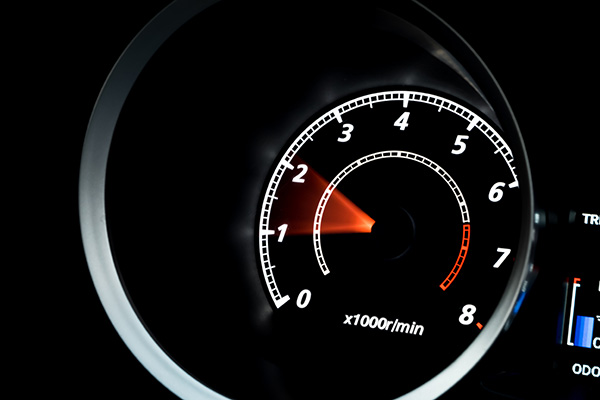
An engine should settle into a steady idle once it is running. The RPM needle might move slightly when the A/C turns on, the steering is turned, or electrical demand changes, but it should not keep rising and falling in a way you can feel. When the idle starts hunting up and down, the engine is trying to correct for something. That kind of symptom can be annoying at first, but more concerning if the car starts shaking, stalling, or hesitating when you come to a stop. RPM fluctuations at idle can come from the air, fuel, ignition, sensors, or even the charging system, so the cause needs to be checked rather than assumed. Air Leaks Can Make Idle Unstable The engine needs a measured amount of air to idle correctly. If extra air sneaks in through a cracked hose, loose intake boot, leaking gasket, or vacuum leak, the computer has to keep adjusting fuel delivery to compensate. That can make the RPM rise and fall at a stop. Vacuum leaks can be tricky because the car may d ... read more